Marketplace Order Integrity System
End-to-end verification system using barcoded packets to reduce wrong returns and seller claim costs at scale.

B2B
Mobile App
Web App
Retail
*Data and designs have been altered to honour the NDA
Product
Seller Platform
My Role
Lead Designer
Team
1 PD, 2 PM and 10 Devs
Context
Meesho
Meesho is an Indian e-commerce marketplace operating at large scale across Tier 1-3+ cities.
Meesho operates a large-scale marketplace with a seller platform for business operations and a buyer app serving customers.

M+
Buyers

K+
Sellers

B+
Annual orders
My scope & mandate
At Meesho I owned:
Core seller workflow across order processing & returns
Experience strategy for reducing operational friction
Cross-functional alignment for trust & enforcement initiatives
This initiative specifically focused on:
Reducing wrong returns
Minimising claim leakage
Improving seller trust in platform operations

A systemic trust failure in seller returns
Wrong returns were eroding seller trust
Wrong returns and packet swaps were one of the biggest sources of seller dissatisfaction on Meesho.
Sellers frequently received incorrect or tampered returns, which directly impacted ratings, revenue, and confidence in the platform.

Why this was a system problem
Fraud emerged between handoffs, not at one node
Claims relied on subjective evidence
No verifiable packet identity
Scale amplified financial leakage
Why this problem compounded with scale
Fraud costs hit sellers and Meesho
Sellers lost inventory and ratings
Ops teams handled high volumes of manual investigations
Meesho absorbed claim payouts due to lack of proof
This problem scaled cost, not accountability.

Packets lacked verifiable identity
Packets passed through multiple handoffs
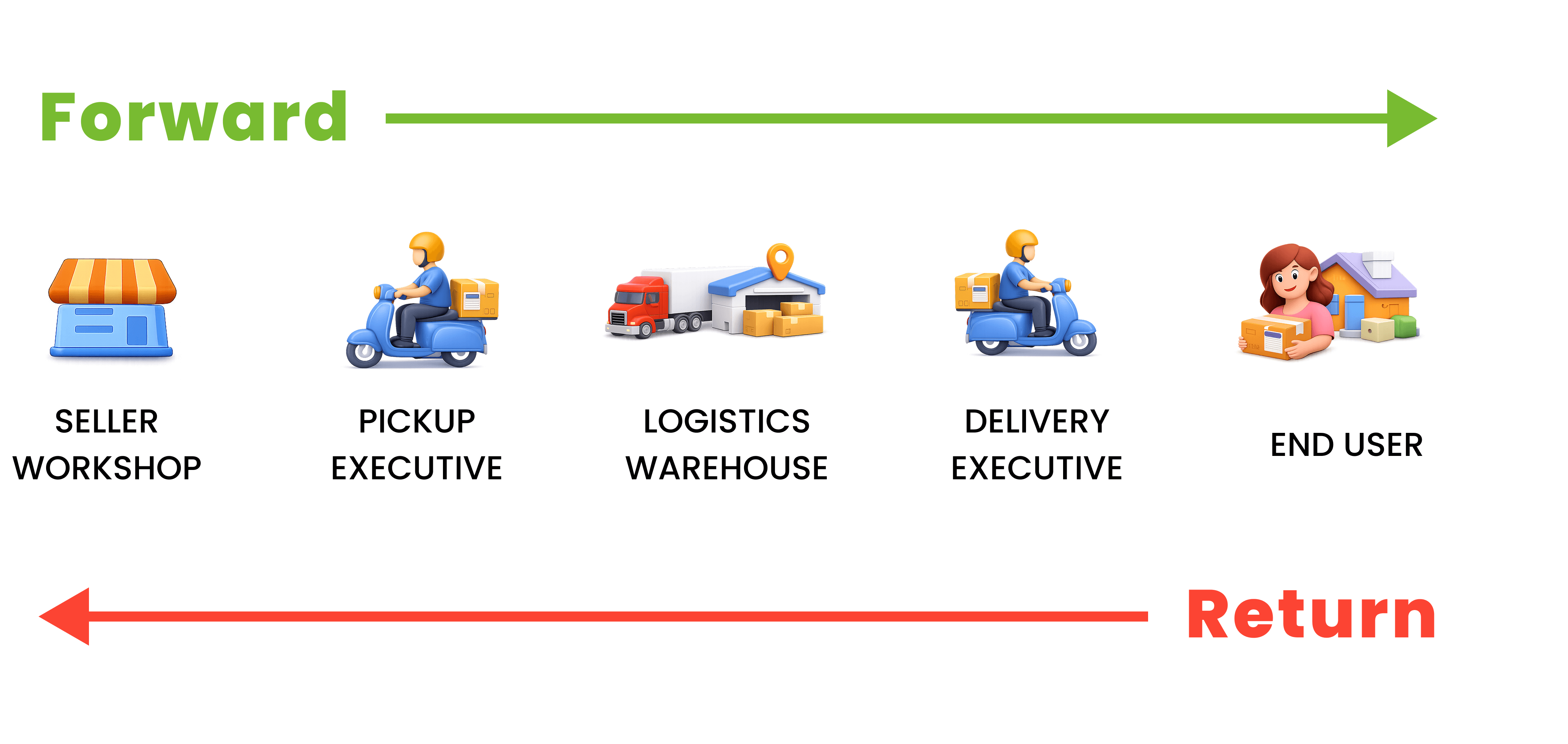
Once a packet was swapped, there was no way to trace where it happened.
Field research to identify systemic failure points
Open in desktop browser to complete full case study
Field research revealed repeatable failure points
Field research in Surat revealed something critical.
The system relied heavily on trust at each handoff, but there was no structural mechanism to verify continuity of packet identity.
Fraud wasn’t happening in one place, it was emerging in the gaps between transitions.
That shifted our approach from reactive investigation to preventive enforcement.
Seller signals revealing systemic breakdowns
“ Most RTO orders are either damaged or wrong, to get the claims we have to record the video which is time consuming”
Large scale seller
“ I sent correct item but customers are saying they received a different product, this is reducing my ratings”
Small scale seller
“ Logistics partner is swapping the packets”
Large scale seller
“RTOs are always incorrect, I don’t understand why this can not be solved”
Small scale seller
High wrong returns
Low claim approval
Packet theft
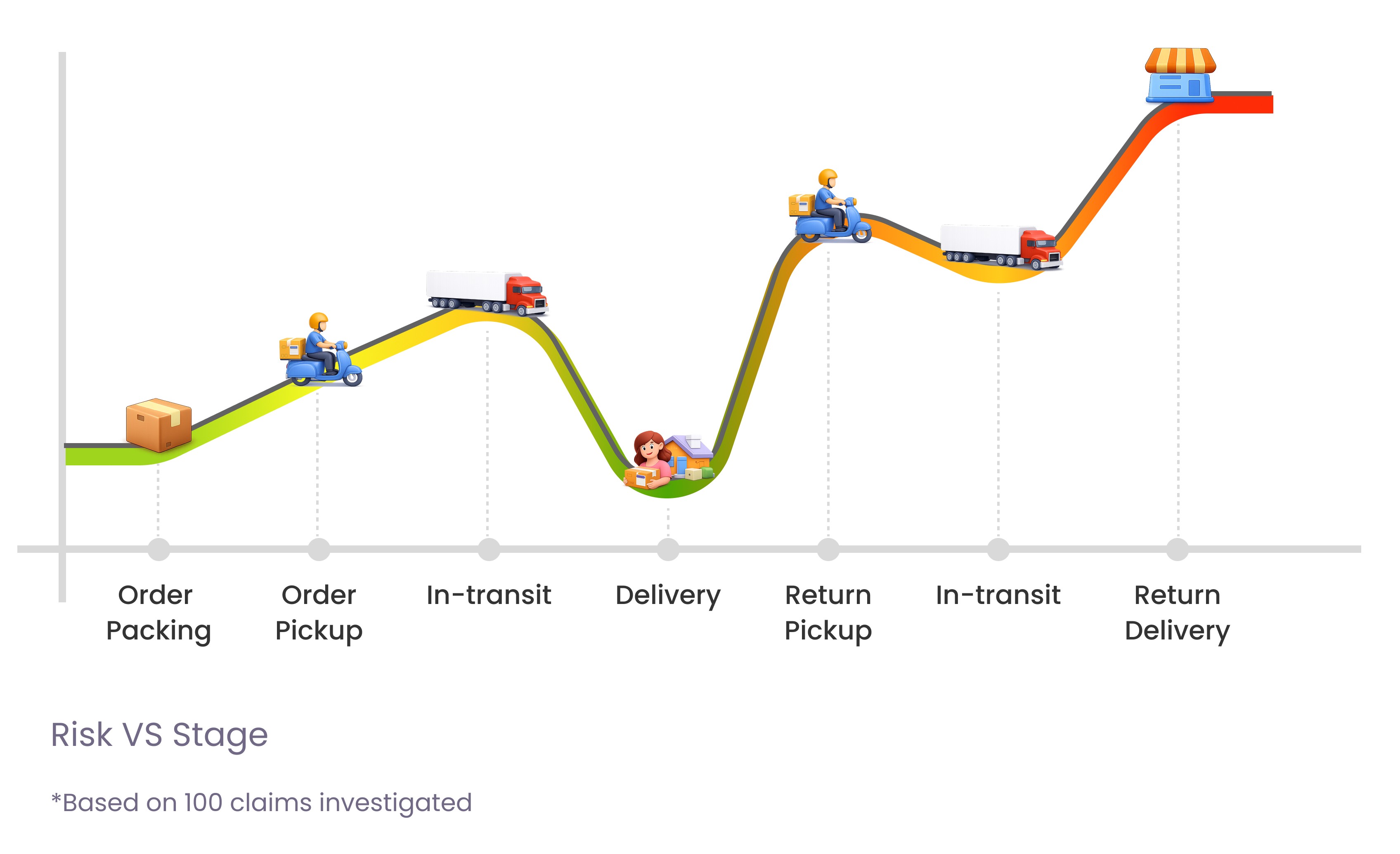
Fraud was distributed, not localized
Packet swaps occurred at different points during forward and return journeys.
Fixing a single checkpoint wouldn’t solve the problem end to end.
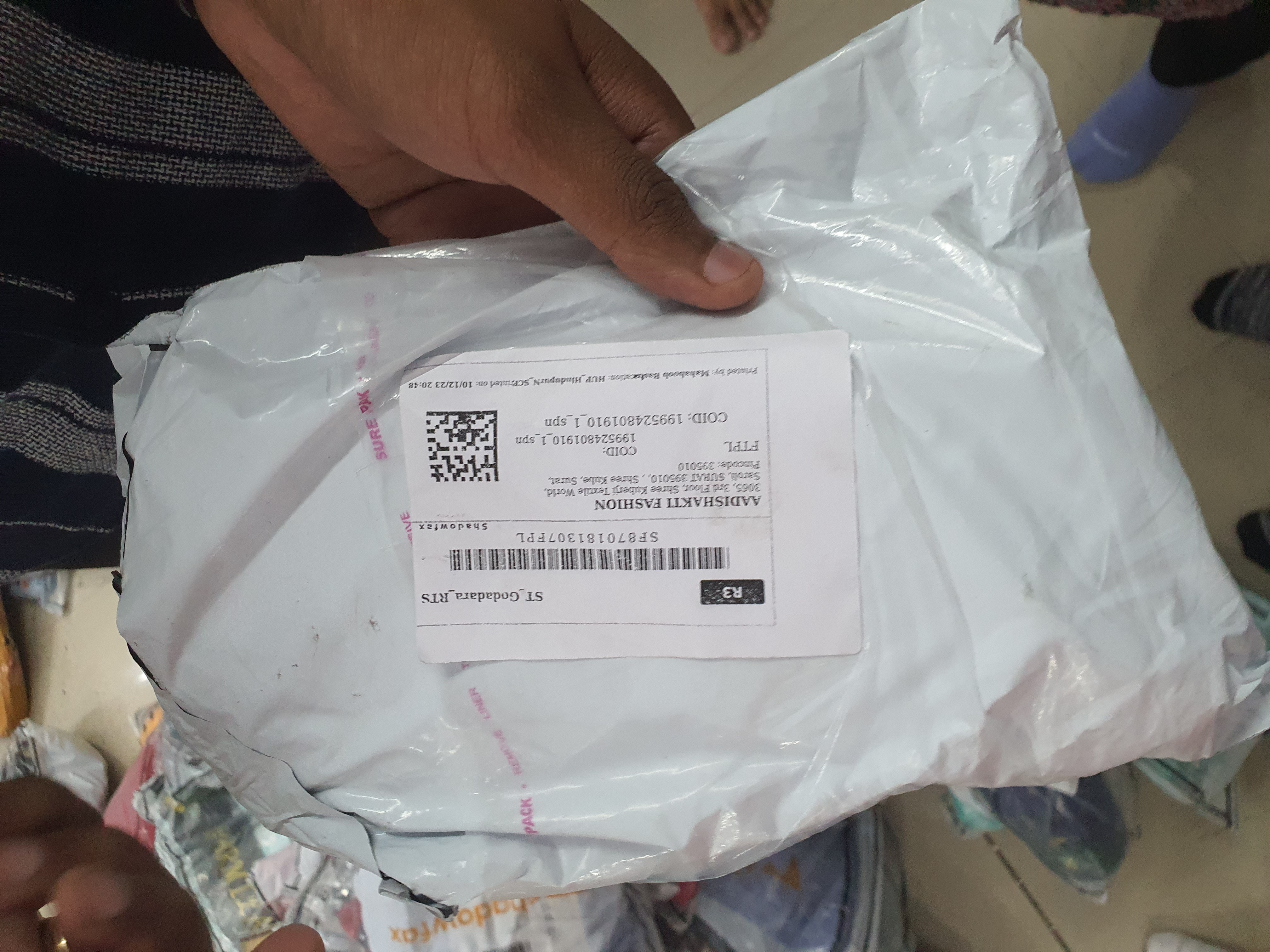
No way to prove packet tampering
Sellers often shipped the correct item but couldn’t prove it later.
Claims relied on videos and manual evidence, which were time-consuming and inconsistent.
Trustworthy packets without slowing fulfilment
Any solution had to work within existing seller workflows and third-party logistics.
Adding friction or slowing order processing would break adoption.
Claims scaled effort, not trust
As order volumes grew, claims required more investigation without improving accuracy.
This increased operational load without restoring seller trust.
Traceability had to work with third parties
Unlike competitors with in-house logistics, Meesho relied on external partners.
The solution needed to introduce traceability without controlling delivery networks.

How our thinking evolved
Initial framing
Improve claim investigation
Add better evidence
Strengthen fraud review
Shift in Framing
Prevent unverifiable packets
Introduce identity enforcement
Move accountability upstream
Alternatives we explored
Owning logistics (structural, long-term)
Tamper-proof packaging (visual trust only)
Stronger claim investigation (reactive)
Identity enforcement (preventative)
We chose enforcement because it addressed the root cause, identity validation at transitions.
System design: Establishing verifiable order integrity
Making packet identity the enforcement layer
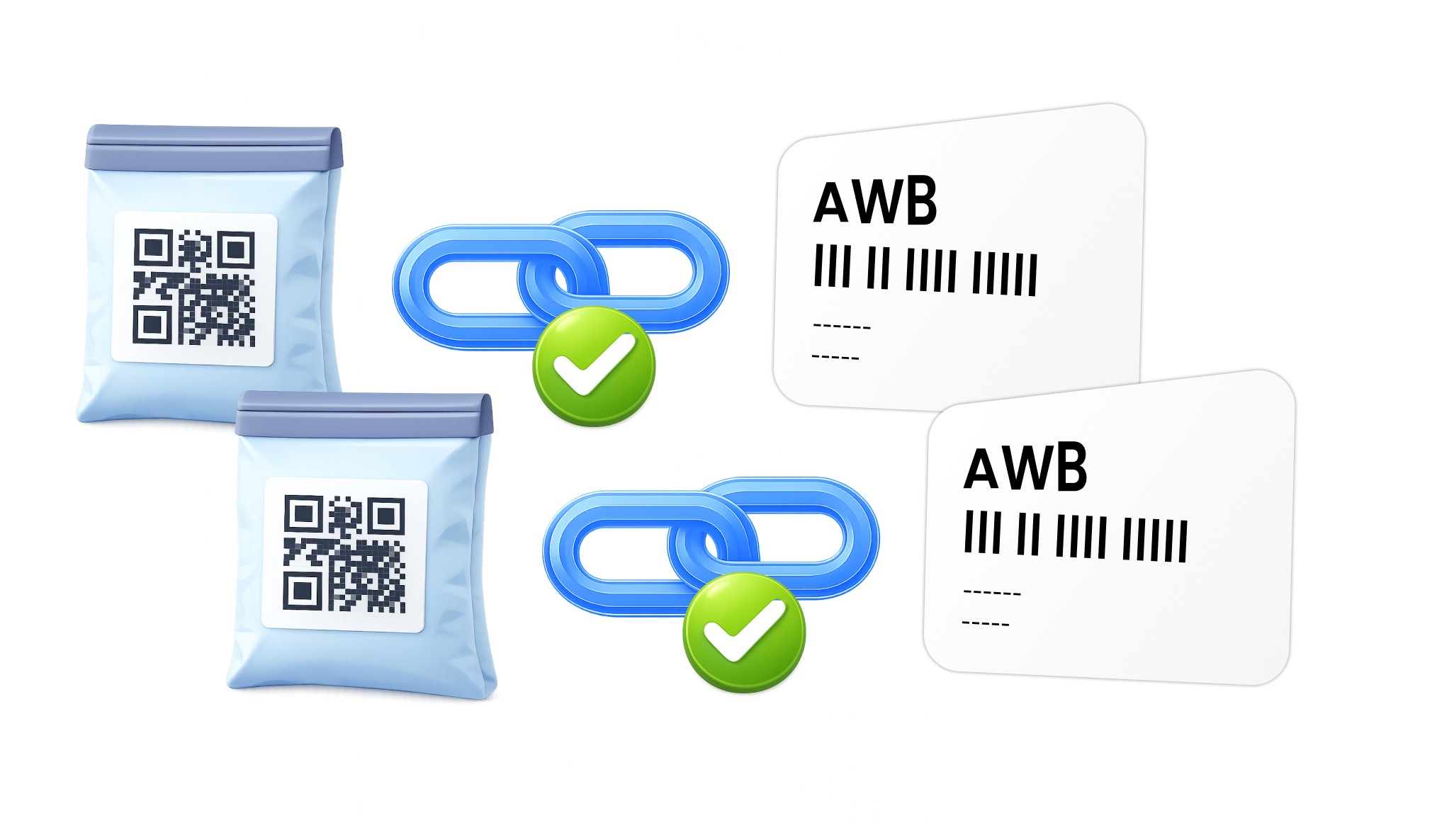
Each authorised packet will carry a unique QR code linked to an order.
Scanning the packet at key checkpoints will create a verifiable trail across the supply chain.


Packet identity as the source of truth
We reframed the problem from “investigating fraud” to “verifying packet identity.”
If every packet could be uniquely identified, fraud could be detected early.
Moving accountability closer to origin
Shifting verification closer to packing and pickup will prevented mismatches upfront.
This will reduced downstream disputes and ambiguity around responsibility.
Balancing throughput vs enforcement
Full scanning slowed dispatch velocity
No scanning increased fraud leakage
Risk-based checkpoints optimized net system integrity
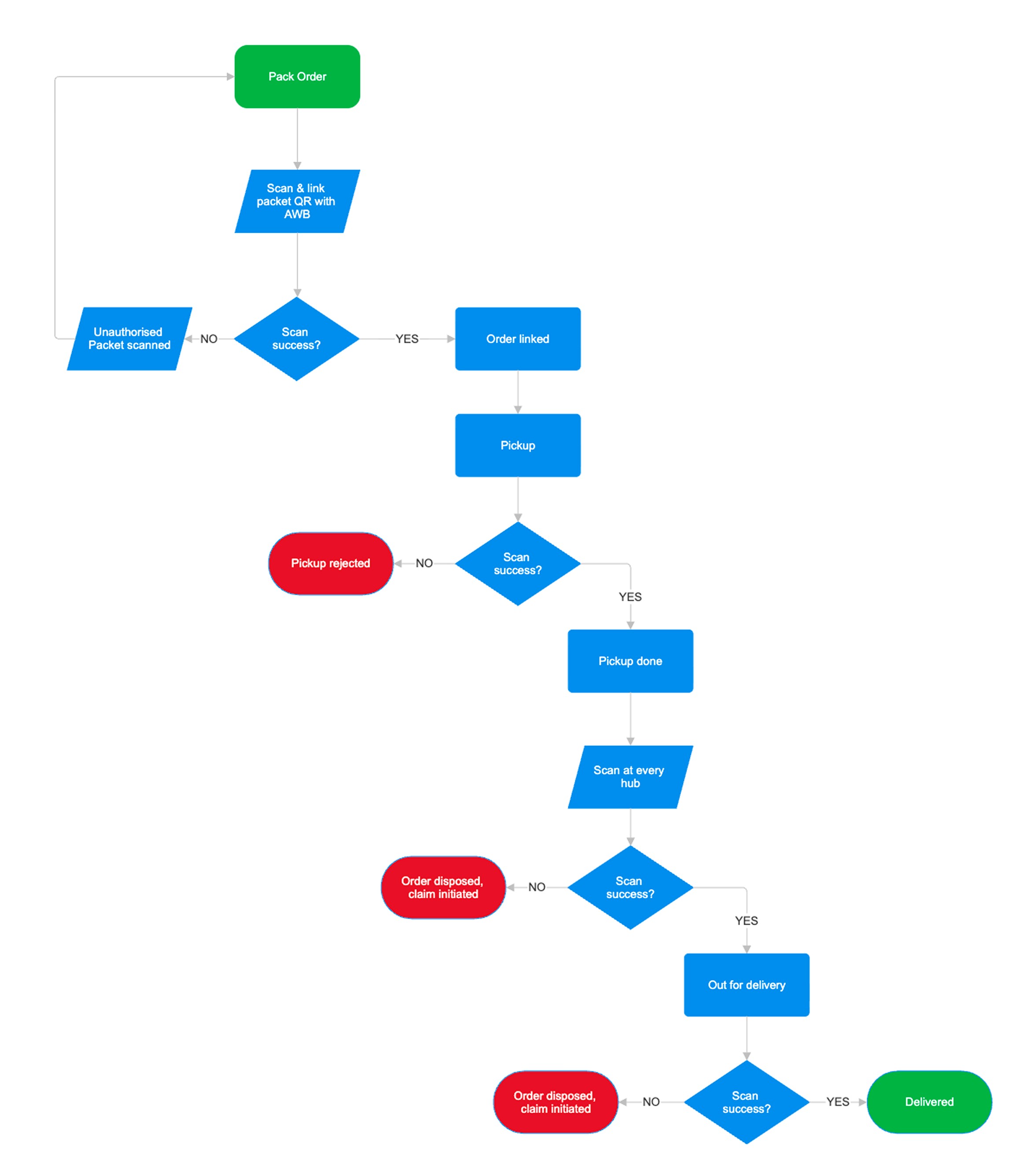
Each order is scanned at every hand-off, and processing continues only when the scan matches the expected order. Any mismatch is automatically flagged, the order is discarded, and a refund is issued.
Design requirements for a verifiable marketplace system
Establishing packet identity as the source of truth
Packets can be scanned and linked to orders at packing time.
Any mismatch between packet and order will immediately detectable.
Using enforced mismatches as a prevention mechanism
If a scan failed or mismatched, the system will block the next step for that order.
This will stop swapped packets from moving further in the journey.
Designing for scale variance across seller maturity
Desktop flows should be optimised for speed and keyboard-free scanning.
Mobile scanning to support small sellers without dedicated hardware.
Design
Translating system intent into product reality
Meesho onboards thousands of new sellers continuously, with varying levels of scale, tooling, and operational maturity.
Any solution introduced needed to:
Support organic onboarding without manual intervention
Scale across new and existing sellers
Drive sustained behavior change, not one-time compliance
To achieve this, the solution was productised as a lifecycle-driven experience, designed across four stages: Awareness, Onboarding, Adoption, and Retention.
Awareness
Introducing the construct at the right moments
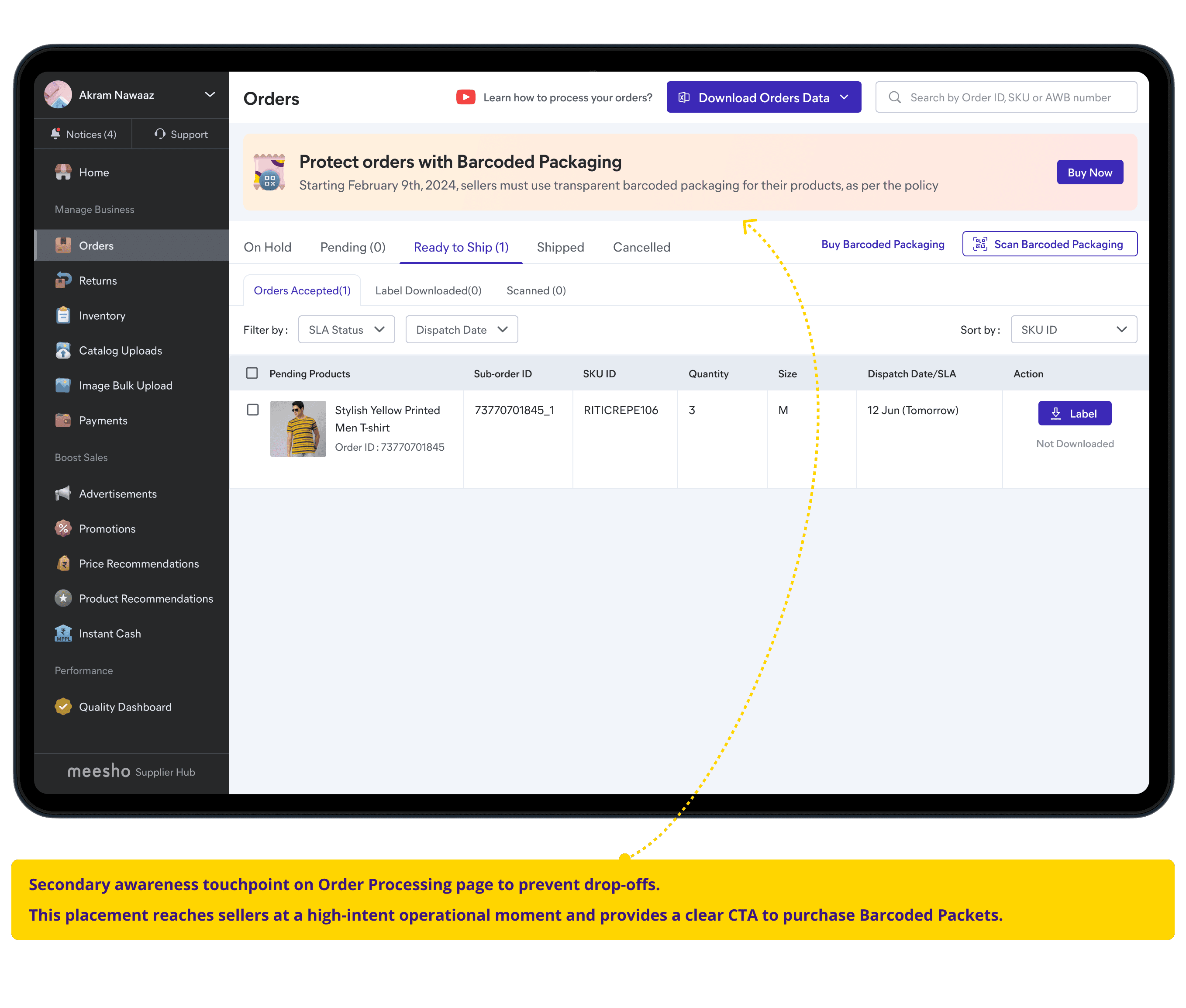
The first challenge was ensuring sellers understood what barcoded packaging is and why it matters, without interrupting their workflows.
Awareness was driven through:
High-visibility surfaces like the Seller Panel homepage
Contextual nudges in Order Processing and Label Download flows
Clear framing around impact: reduced wrong RTOs and higher claim approvals
These touchpoints ensured sellers encountered the concept before and during order fulfillment, rather than discovering it only after an issue occurred.
design solution for awareness


Onboarding + Adoption
From first scan to daily habit
Once sellers were aware of barcoded packaging, the focus shifted to enabling their first successful scan and quickly converting it into a repeatable fulfilment behaviour.
The scanning experience was designed to work across different seller scales and setups
Desktop scanning for high-volume sellers handling bulk orders
Mobile scanning for smaller sellers without dedicated hardware
The flow was optimized for speed and accuracy, allowing sellers to scan labels with minimal interaction and no keyboard dependency.
While onboarding and adoption are conceptually distinct, they are presented together here because the first successful scan and repeat usage are tightly coupled in the order fulfillment workflow.
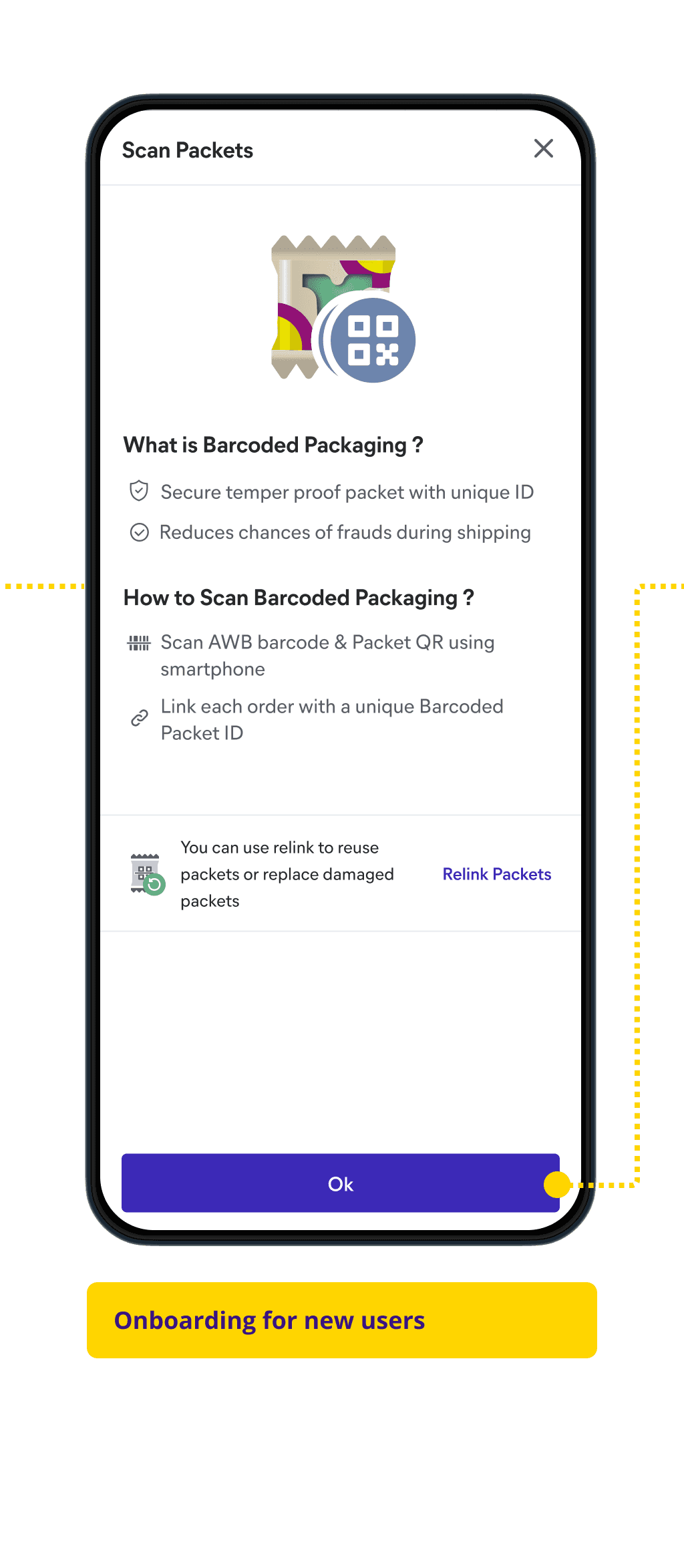
Barcoded Packaging screen
A dedicated hub where sellers can understand the value of barcoded packaging, compare options, and purchase authorised packets.

Reducing first-use failure through upfront context
This onboarding screen introduces the what, why, and how of barcoded packaging at the moment sellers begin scanning. By establishing purpose and correct usage upfront, the experience minimizes early failures and builds confidence before sellers perform their first scan.

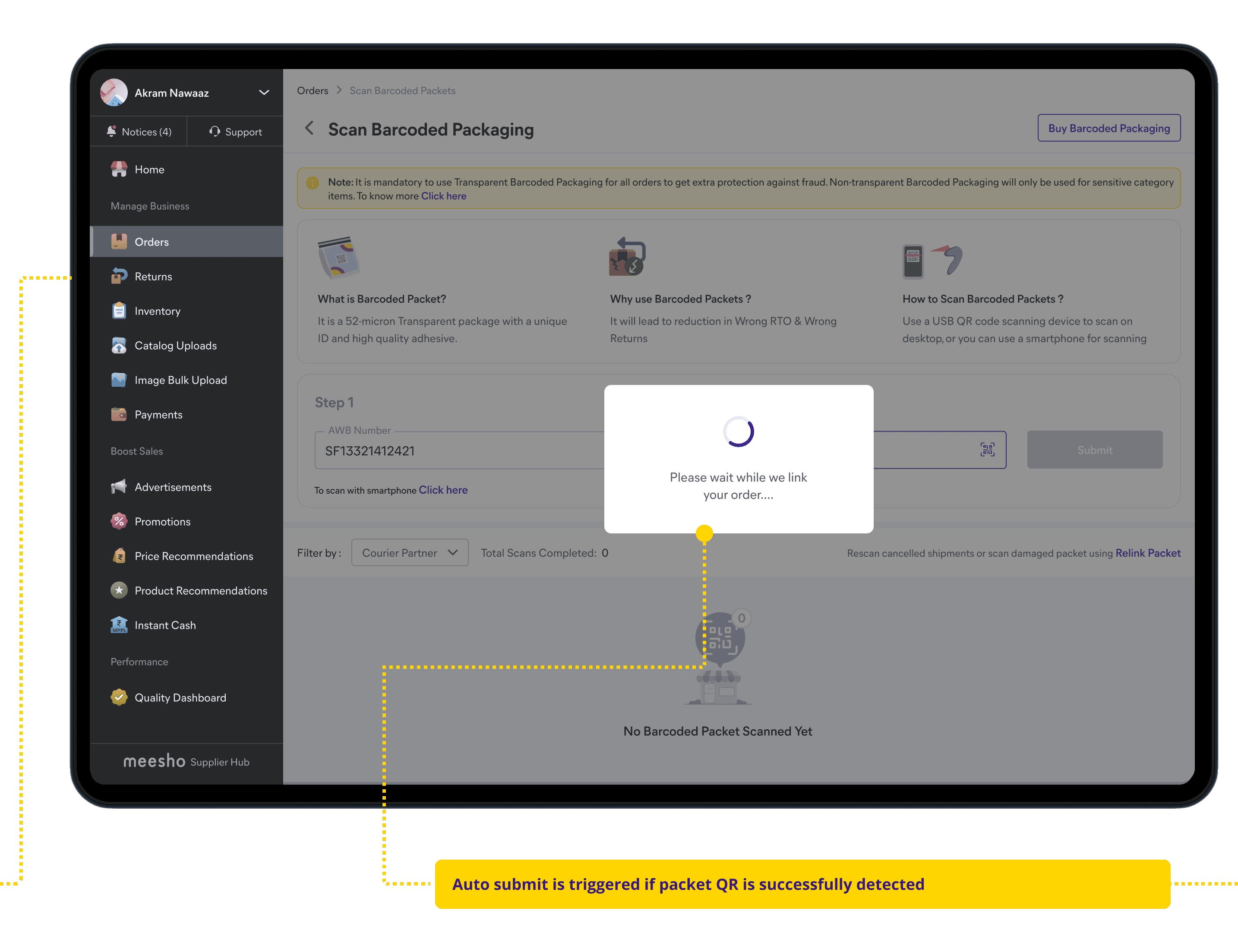
Desktop scanning
A fast, keyboard-free scanning experience designed for high-volume sellers, enabling first-time success and repeat usage through clear validation.



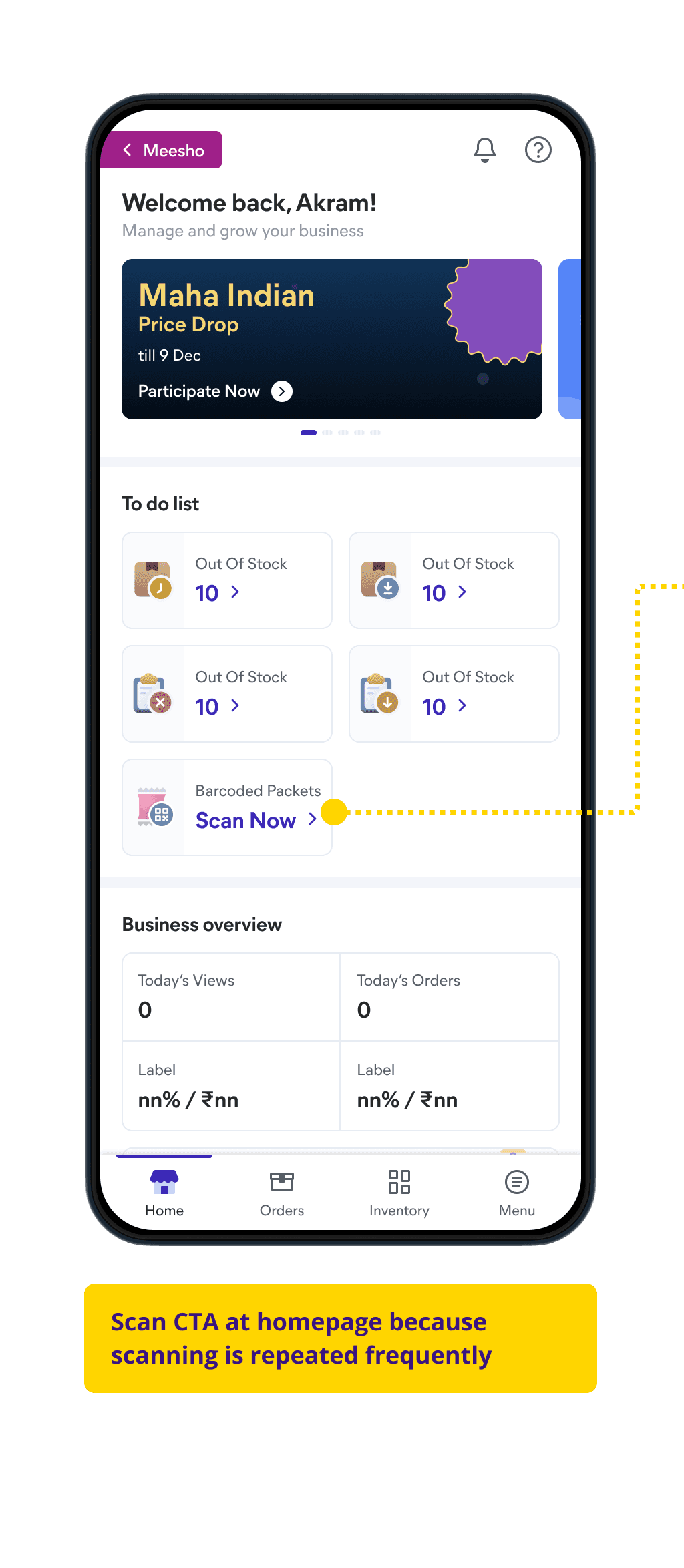
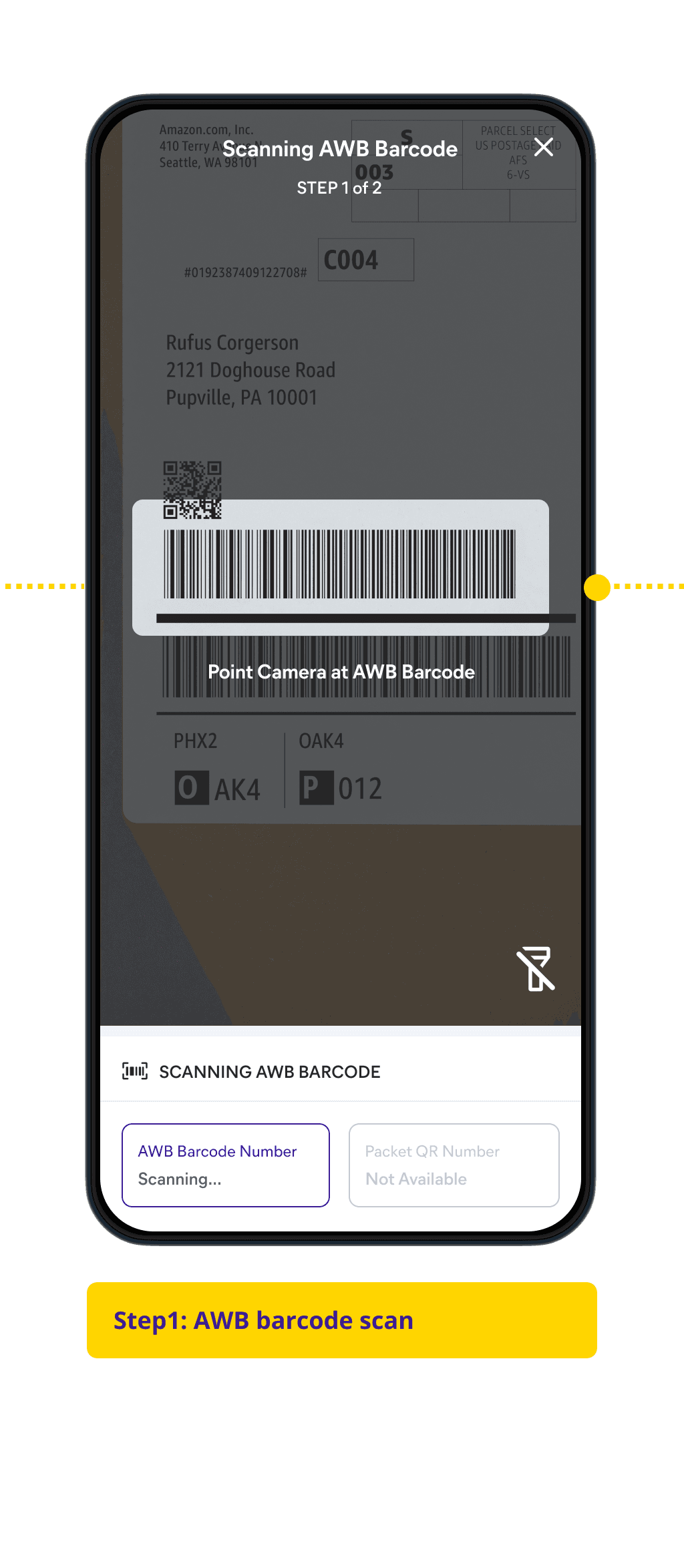
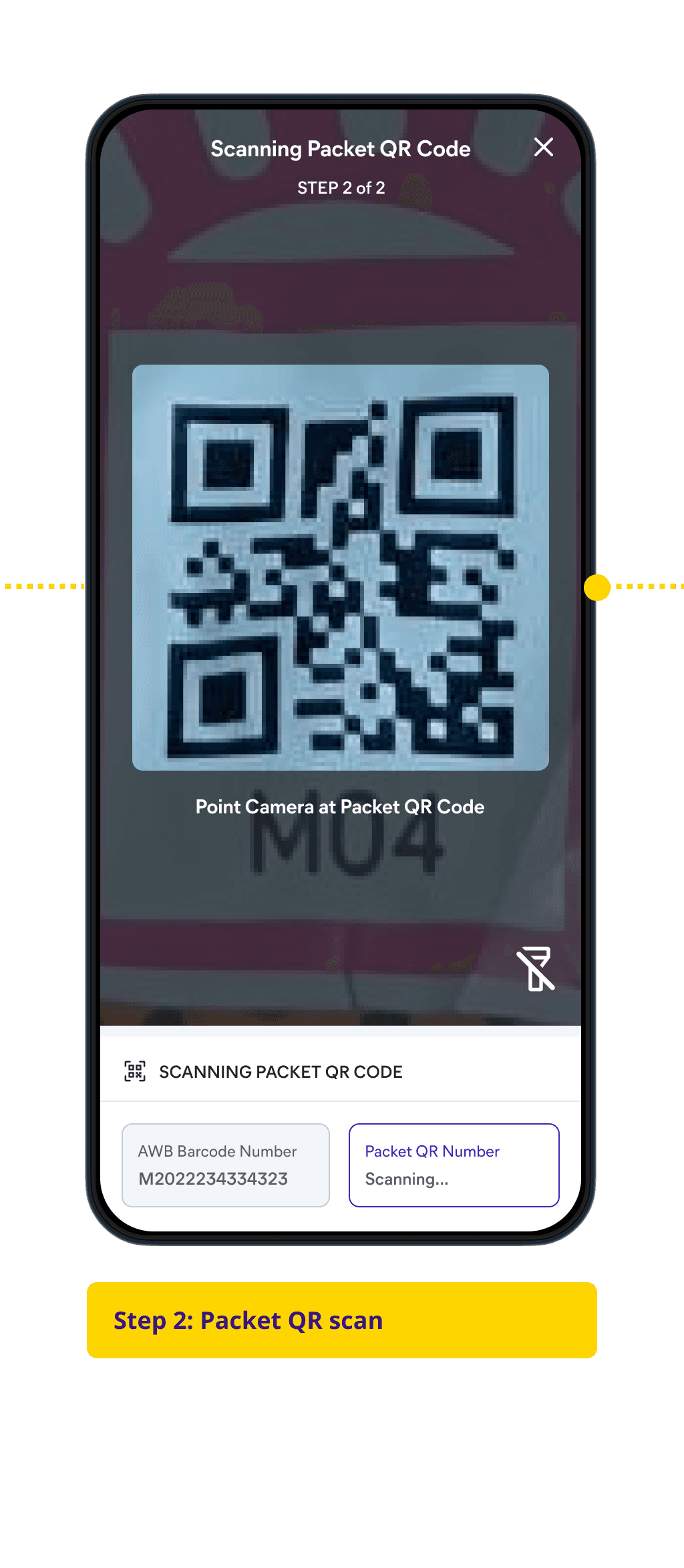
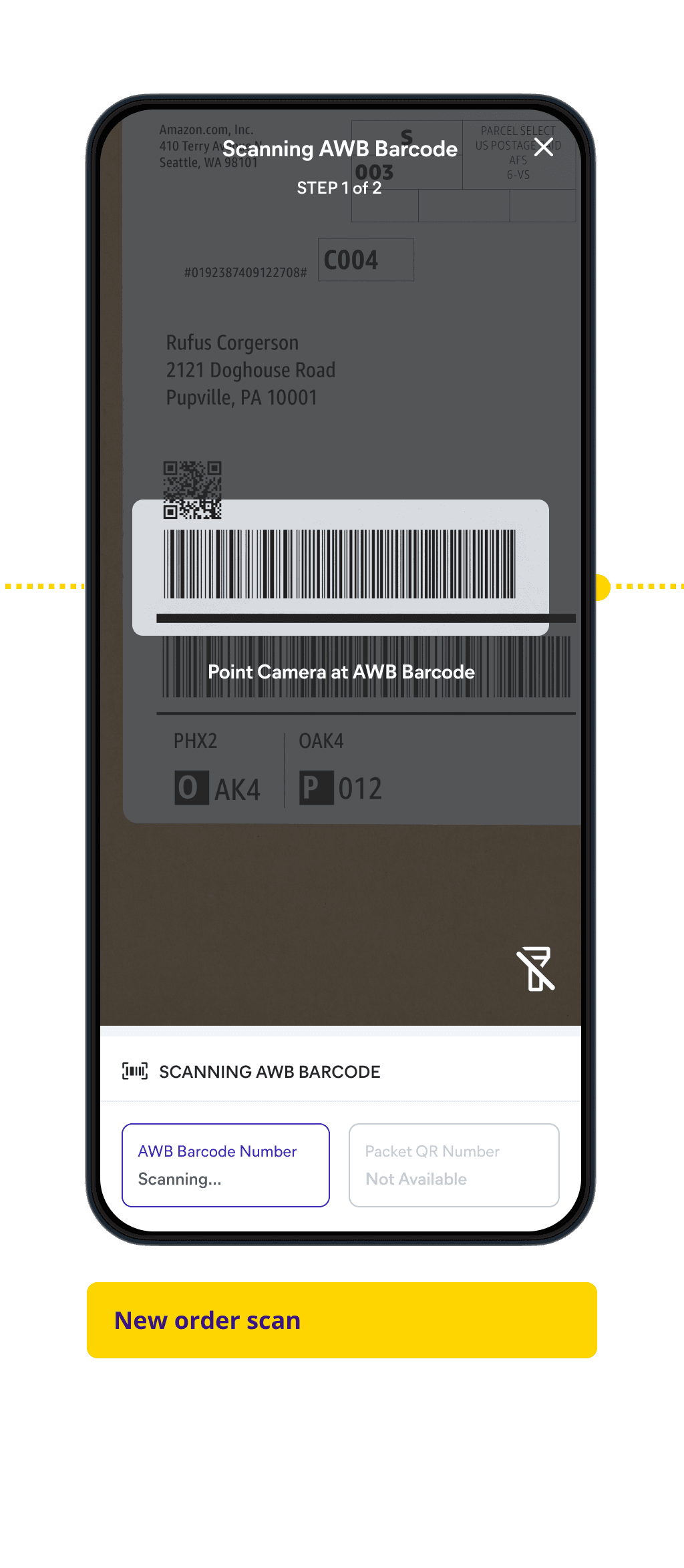
Mobile scanning
Camera-based scanning experience designed to help smaller sellers adopt barcoded packaging without additional hardware.



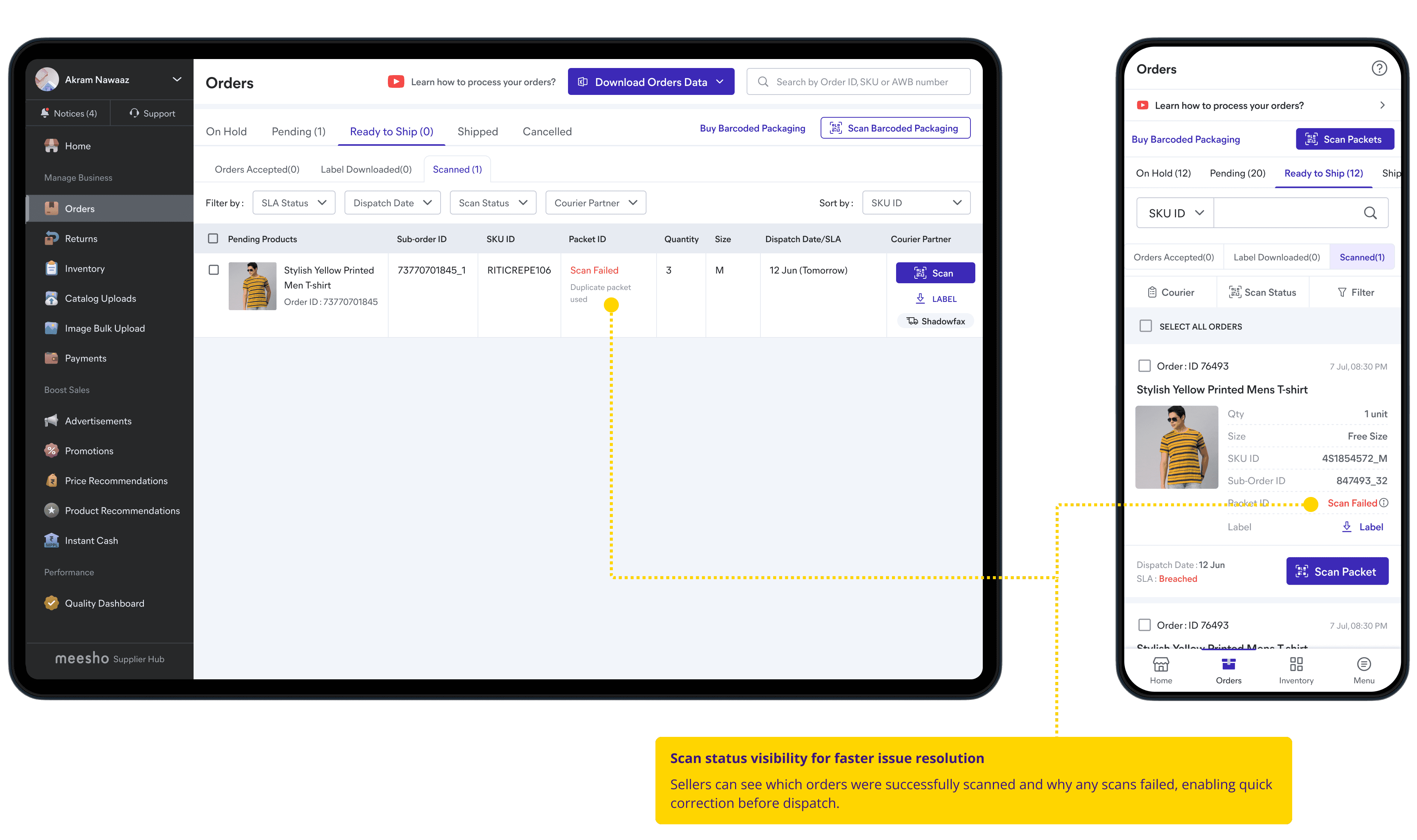
Scan status screen
A transparent view of scan success and failure reasons that helps sellers identify issues early.
Retention
Driving retention through behavioural feedback
After initial adoption, sellers exhibited varied usage patterns, some consistently used barcoded packaging, some used it intermittently, while others dropped off entirely. To drive sustained adoption, I designed a behaviour-based feedback system that reflects each seller’s usage and its direct impact on business outcomes like wrong RTOs and claim approvals.
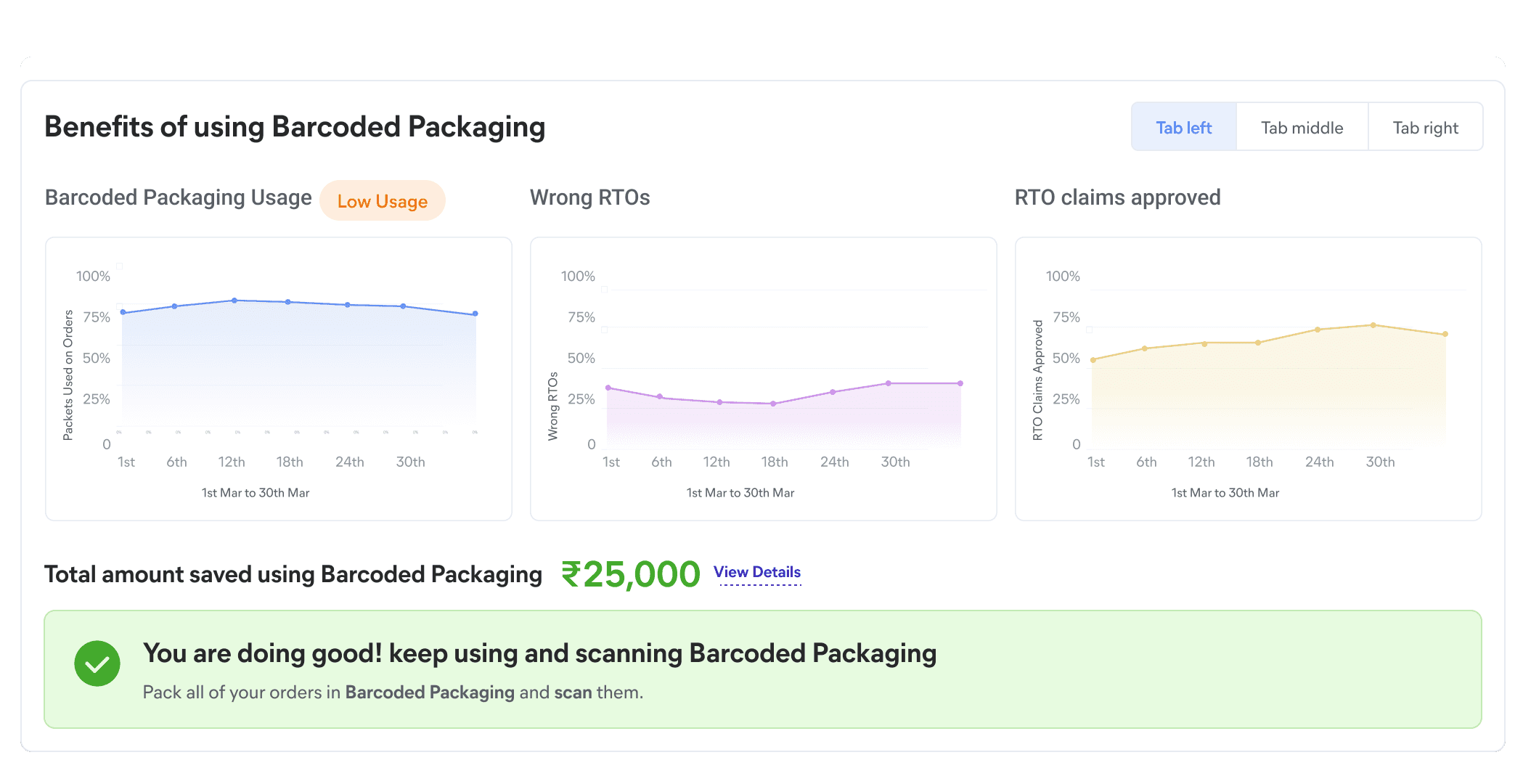
Positive reinforcement to sustain retention
Sellers with consistent scanning behaviour are shown clear proof of impact, lower wrong RTOs and higher savings, paired with affirmative feedback. This reinforces correct behaviour and prevents drop-off by making the value of continued usage explicit.
Early intervention for at-risk adoption
Sellers with inconsistent usage are shown how reduced scanning directly impacts wrong RTOs and savings. A cautionary message nudges them to increase usage before penalties or failures occur, acting as a soft course-correction mechanism.

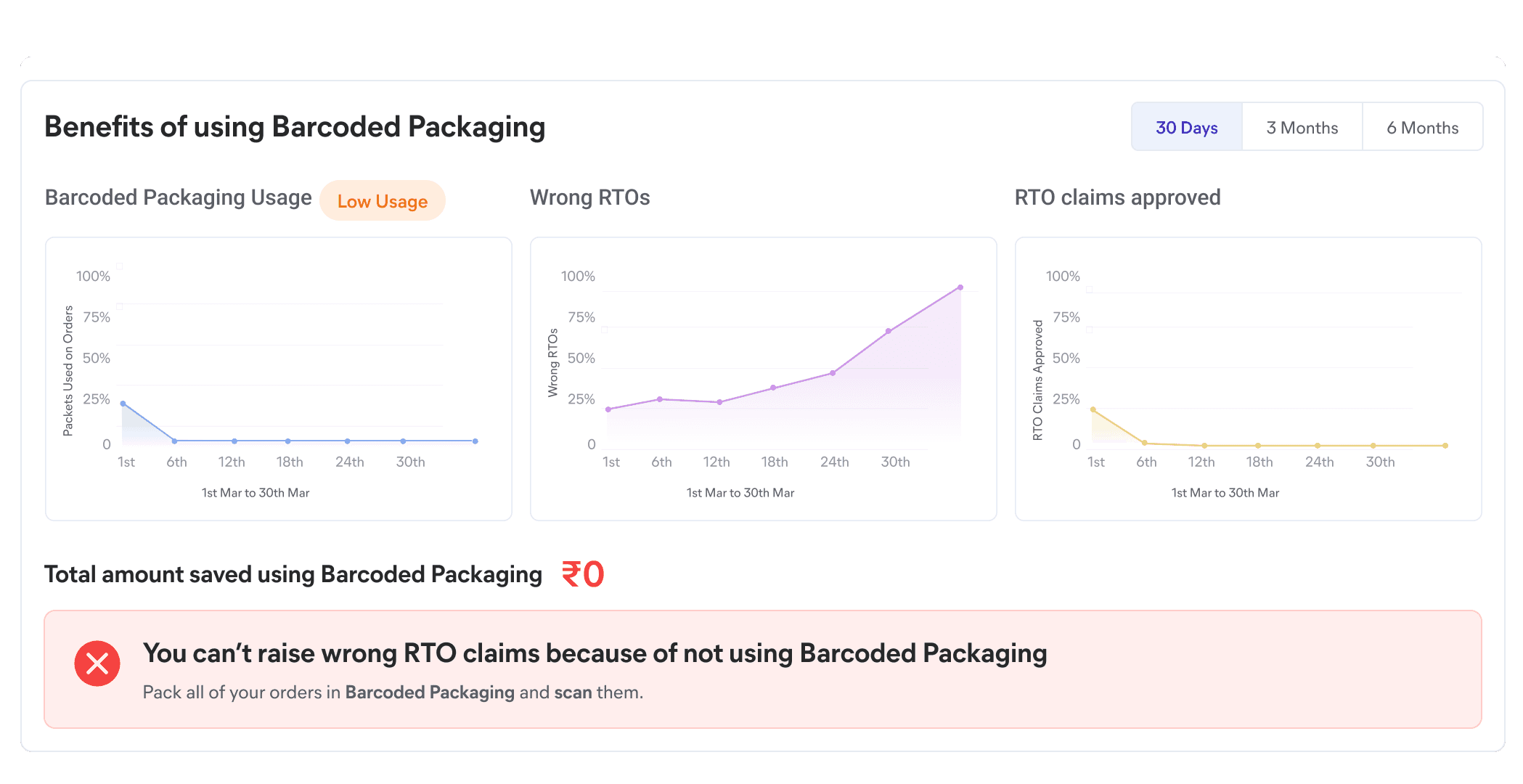
Clear consequence communication for dropped usage
For sellers who stopped using barcoded packaging, the interface explicitly surfaces the operational consequences, higher wrong RTOs and ineligibility for claims. This makes the cost of non-compliance visible and encourages re-adoption.
Validation framework
Pilot cohort: 5–10K sellers
Compared against control group
Measured wrong return rate
Measured claims approval drop
Monitored throughput impact
Scaled only after validation confirmed net positive system impact.
Measured impact and system validation
Adoption improved when sellers saw reduced returns
We surfaced adoption nudges alongside clear benefits like fewer wrong returns.
This positioned barcoded packets as protection, not compliance.
Wrong returns reduced while claim approvals dropped significantly
Post-launch data showed a ~30% reduction in wrong returns.
Claim approvals dropped as packet identity became verifiable.
Unprompted community education as a success signal
The emergence of third-party tutorials suggested that sellers were not only using the feature, but also internalising and teaching it, an indicator of product clarity and perceived value beyond in-product guidance.
Learning
Design principle I carry forward
Trust in distributed systems must be enforced at transitions.
This principle applies to:
Marketplaces
Multi-role enterprise platforms
Financial and operational systems